
Which Infections Can I Catch Through Oral Sex?
Oral Sex and Sexually Transmitted Diseases
During oral sex, some sexually transmitted diseases (STDs) can pass from the mouth or throat to the genital area, or from the genital area to the mouth and throat. Having only one partner does not completely eliminate the risk of transmission; the risk depends on factors such as the partners’ infection status, the type of contact and the use of barriers. STDs can also be transmitted without symptoms.
What is oral sex?
Oral sex involves stimulating a partner’s genital or anal area using the mouth and tongue. The main types are:
- Fellatio: Oral contact with the penis or genital area
- Cunnilingus: Oral contact with the vulva or vagina
- Anilingus: Oral contact with the area around the anus
Which infections can be transmitted through oral sex?
The following infections can be transmitted during oral sex:
- Gonorrhoea: Throat infections in particular may cause no symptoms.
- Syphilis: The infection can be transmitted through contact with sores or lesions in the mouth or genital area.
- Herpes: HSV-1 or HSV-2 can affect the oral and genital areas.
- HPV: It can affect various areas, including the mouth and throat.
- Chlamydia: It can be transmitted; throat infections are often asymptomatic.
- HIV: The likelihood of transmission through oral sex is much lower than through vaginal or anal sex; the CDC describes the risk of HIV transmission through this contact as “little to no risk”.
Hepatitis A and some intestinal infections can also be transmitted during anilingus. Hepatitis B is an infection that can be transmitted through sexual contact and can be prevented by vaccination. Although hepatitis C can be sexually transmitted, it is not considered one of the infections commonly transmitted through oral sex.
What are the symptoms?
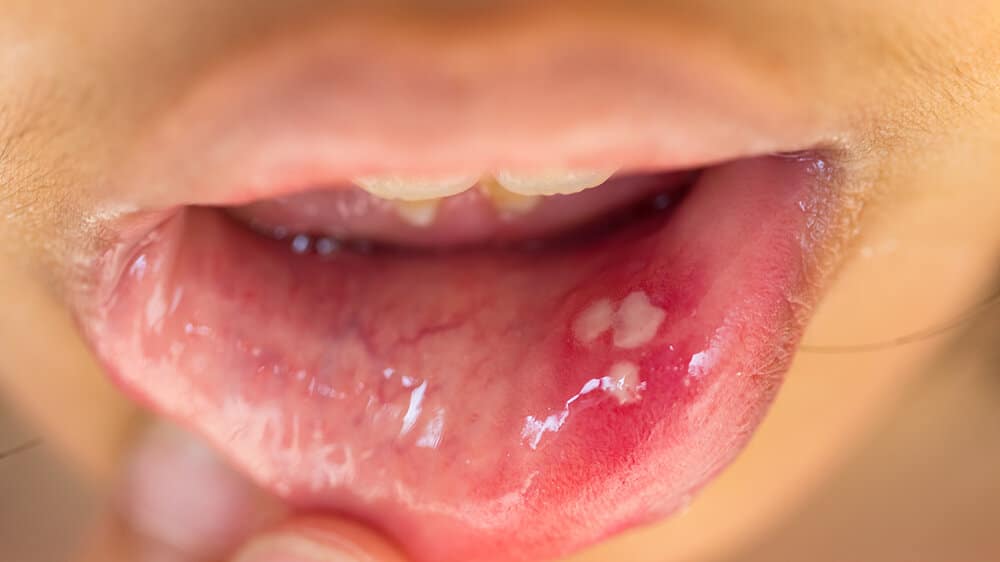
Infections of the mouth or throat may often cause no symptoms. When symptoms occur, they may include a sore throat, sores or lesions in the mouth. Signs such as discharge, burning during urination, sores, blisters or warts may appear in the genital area. These symptoms alone do not indicate which infection is present; appropriate testing is needed for diagnosis.
Is oral sex safer in terms of HIV and other STDs?
The risk of HIV transmission through oral sex is much lower than through vaginal or anal sex. However, this does not apply to other STDs: infections such as gonorrhoea, syphilis, herpes and HPV can be transmitted through oral-genital contact. Gonorrhoea of the throat can be passed to others without symptoms and may be more difficult to treat than infections at some other sites.
Which STD tests are performed after oral sex?
The tests needed are determined by the body sites involved in the contact and the suspected infection. A single blood or urine test does not assess all STIs and all body sites.
- If you gave oral sex, a throat swab test for gonorrhoea may be needed.
- If you received oral sex, collecting an appropriate sample from the genital area may be considered.
- If anilingus or anal contact occurred, a rectal sample may be needed depending on the risk and symptoms.
- For gonorrhoea and chlamydia, a NAAT/PCR test using a sample from the site of contact is generally used. Blood tests are needed to assess syphilis and HIV.
Not everyone needs the same tests after every contact. A testing plan should be made with a doctor, taking into account symptoms, a partner’s diagnosis, the type of contact and individual risks. The CDC recommends that people who have oral or anal sex discuss throat and rectal testing options with a healthcare professional.
If gonorrhoea of the throat has been diagnosed and treated, a test of cure is recommended 7–14 days after treatment to confirm that the infection has cleared. Testing 7 days after treatment may lead to a false-positive result in some cases; the appropriate timing should be determined by a doctor.
How can the risk of transmission during oral sex be reduced?
- Use a condom during oral contact with the penis.
- Use a dental dam during oral contact with the vulva or anus. A suitable condom can also be cut open and used as a barrier.
- If there are sores or lesions in the mouth or genital area, consider postponing contact until they have healed.
- Ask your healthcare professional whether your hepatitis B and HPV vaccinations are up to date.
- Seek appropriate testing and counselling if you have a new partner, your partner has been diagnosed with an STD, or symptoms occur.
Condoms and dental dams reduce the risk, but may not provide complete protection against all infections that can be transmitted through skin contact.
When should I seek testing or medical assessment?
Consult a healthcare professional if you develop sores in the throat or genital area, discharge, burning during urination or a persistent sore throat after oral sex. Even if you have no symptoms, discuss whether testing is needed if your partner has been diagnosed with an STD. When planning testing, tell your healthcare professional about the sites of oral, vaginal and anal contact so that the appropriate sample type can be selected.
You can contact our laboratory for information about testing options and the appropriate sample type at Wellcare Laboratories. Click to learn more about our STD PCR test.