
Hepatitis B
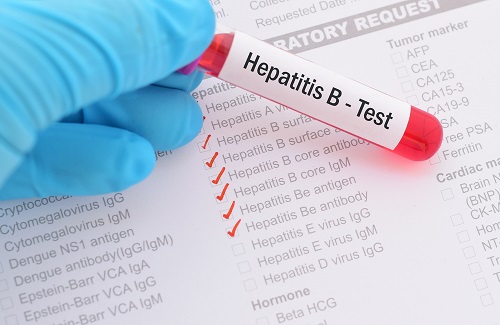
What Is Hepatitis B? Symptoms, Transmission and Diagnostic Tests
Hepatitis B is an infection caused by the hepatitis B virus (HBV) that affects the liver. The infection may be short-term (acute) or persist in the body for a long time and become chronic. Chronic hepatitis B may increase the risk of liver damage, cirrhosis and liver cancer in some people. However, the infection does not follow the same course in everyone; regular medical follow-up helps assess liver health and determine the need for treatment.
How is hepatitis B transmitted?
Hepatitis B is primarily transmitted through contact with infected blood and certain body fluids. The main routes of transmission are:
- Transmission from an infected mother to her baby during birth
- Unprotected sexual contact
- Contact with infected blood or sharing needles and injection equipment
- Non-sterile medical, tattooing or piercing procedures
- Sharing personal items that may come into contact with blood, such as razors or toothbrushes
Hepatitis B is not transmitted through hugging, being in the same space, kissing, sharing plates or cutlery, coughing or sneezing.
What are the symptoms of hepatitis B?
Hepatitis B infection may cause no symptoms for a long time. When symptoms develop, they may include fatigue, loss of appetite, nausea, abdominal discomfort, dark urine, pale stools and jaundice. As these symptoms can also occur in other conditions, blood tests are used to assess the diagnosis.
What is the difference between acute and chronic hepatitis B?
Acute hepatitis B is the initial stage of the infection. Most adults can bring the infection under control; however, in some people, the virus may persist in the body. The infection is more likely to become chronic when acquired in childhood, particularly in infancy.
Chronic hepatitis B is an infection that persists for a long time. A positive HBsAg result for at least six months is one indicator of chronic infection. The word “carrier” may give the impression that the disease and infectiousness are the same in everyone; therefore, a person's condition should be described based on test results and clinical assessment.
Which tests are used to diagnose hepatitis B?
A single test does not always provide sufficient information when assessing hepatitis B. The CDC recommends using the following three tests together for the initial assessment of adults who have not previously been screened:
| Test | What does it generally indicate? |
|---|---|
| HBsAg | A positive result suggests a current hepatitis B infection. Other tests and clinical information are needed to distinguish between acute and chronic infection. |
| Anti-HBs | May indicate that immunity to hepatitis B has developed. It may be positive after vaccination or a past infection. |
| Total anti-HBc | Indicates possible past or current exposure to the virus; on its own, it does not explain the source of immunity. |
Test results should be assessed together. When necessary, IgM anti-HBc, HBeAg/anti-HBe, HBV DNA and liver tests may be requested. The meaning of the results should be interpreted by a doctor alongside the person's medical history, vaccination status and other test results.
Can HBsAg and anti-HBs be positive at the same time?
Yes, in some cases, both results may be positive at the same time. This finding alone does not establish a diagnosis; it should be assessed alongside total anti-HBc, HBV DNA, previous results and whether the person has recently received a hepatitis B vaccination.
Can hepatitis B be treated?
In acute infection, management depends on the symptoms and severity of the illness. Not everyone with chronic hepatitis B needs medication immediately. The doctor may recommend monitoring or antiviral treatment based on blood tests, HBV DNA, liver assessment and the person's overall condition. Treatment decisions and follow-up plans are individualised; regular check-ups are important.
How can hepatitis B be prevented?
Vaccination is one effective way to prevent hepatitis B. If vaccination status is unknown or there is a risk of exposure to the infection, an appropriate testing and vaccination plan can be arranged in consultation with a doctor. Personal items such as razors and toothbrushes should not be shared, and sterile equipment should be used for injections, tattooing and piercing. People living with an infected person or whose sexual partner has hepatitis B should discuss their testing and vaccination needs with a healthcare professional.
Why is hepatitis B testing important during pregnancy?
The CDC recommends HBsAg testing during every pregnancy; previous vaccination or test results do not change this recommendation. If a positive HBsAg result is detected, the healthcare team will arrange a care plan for the mother and baby. Timely planning of preventive measures for the baby after birth is important in reducing the risk of mother-to-child transmission.
You can provide a blood sample at Wellcare Laboratories for the hepatitis B serological tests requested by your doctor. The tests required may vary depending on whether the purpose is screening, assessing immunity or monitoring an existing infection.
To have your test in Northern Cyprus, please visit our Nicosia or Kyrenia branch. We wish you good health !