
When Should I Get Tested for Sexually Transmitted Infections (STIs)? Which Test Should I Take?
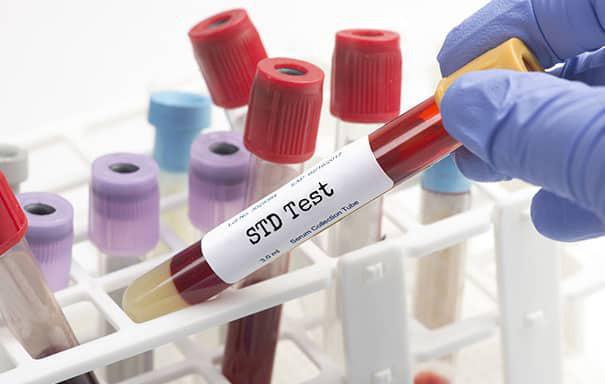
When Should I Get Tested for STIs? Which Tests Should I Choose?
Sexually transmitted infections (STIs) can occur without symptoms. Which tests are needed depends on the type of sexual contact and the site involved, individual risks, pregnancy status, previous test results and the time since the last exposure.
Not all STIs are tested for using the same sample. Some tests require blood, while others may require urine or a genital, throat or rectal swab. No single test or panel rules out all infections.
When should I discuss the need for testing?
Discuss the need for testing with your doctor or a healthcare professional in the following situations:
- If you have a new sexual partner or multiple sexual partners
- If a condom was not used or broke
- If your partner has been diagnosed with an STI or has symptoms suggestive of an STI
- If you have symptoms such as genital discharge, burning during urination, sores, blisters, a rash, or groin or pelvic pain
- If you are pregnant or planning a pregnancy
- If you have previously been diagnosed with an STI or have recently had a new exposure
- If you have an ongoing risk of HIV or are taking PrEP
Testing frequency is determined by individual circumstances and exposures. The CDC recommends chlamydia and gonorrhoea screening for sexually active women under 25, and for those aged 25 and over if risk factors are present. For men who have sex with men, testing based on the sites of sexual contact may be considered at least annually, and more frequently when risk is higher. WHO’s 2025 recommendations address chlamydia and gonorrhoea screening in people without symptoms, particularly in settings where these infections are common and testing and treatment capacity is available. IDSA/HIVMA recommends STI screening for people living with HIV at the initial assessment and at least annually thereafter, with assessment every 3–6 months in circumstances such as having multiple or anonymous partners. These intervals should be adapted through individual assessment.
Which sample is collected for each infection?
Test selection varies according to the infection being investigated and the possible site of exposure:
| Test group | Commonly used sample |
|---|---|
| HIV, syphilis, hepatitis B and hepatitis C | Blood |
| Chlamydia and gonorrhoea | Urine and/or a swab from the site of exposure |
| Trichomonas | Vaginal swab and/or urine, depending on the method used |
| Genital herpes | A swab from an active sore or blister; a blood test is considered in specific circumstances |
| HPV | Planned as part of cervical screening, according to the relevant programme and age |
If oral or anal contact has occurred, a urine or genital sample alone may not be sufficient. Discuss with a healthcare professional whether a throat or rectal sample is needed. The sample type should be selected according to the exposure history and the sample types validated for the test being used.
Is an STI PCR panel the same as sexual health screening?
No. An STI PCR panel tests only for the pathogens included in the panel, using appropriate samples. Sexual health screening may, depending on need, include blood tests for infections such as HIV, syphilis or hepatitis in addition to PCR tests. It should not be assumed that the same sample is sufficient for every infection or that a single panel rules out all STIs.
Wellcare offers STI PCR panel and sexual health screening options. Which tests are appropriate can be determined according to your symptoms, the type of contact and the site that needs to be sampled. Before testing, find out what the panel includes and which sample types are required.
How soon after a high-risk exposure should I get tested?
If you have symptoms, your partner has been diagnosed with an infection or you have had a high-risk exposure, do not wait for the window period to pass before seeking assessment. A negative result from an early test may not rule out some infections; your doctor may recommend repeat testing.
The window period varies depending on the infection and the testing method. For example, a laboratory HIV antigen/antibody test using blood drawn from a vein can detect HIV approximately 18–45 days after exposure. Rapid finger-prick tests may have a longer window period. Ask your healthcare professional when your result can be considered reliable, based on the type of test performed.
If a possible HIV exposure occurred within the last 72 hours, seek urgent medical assessment without waiting for a test appointment. If HIV post-exposure prophylaxis (PEP) is needed, it should be started as soon as possible.
Does everyone need a comprehensive STI panel regularly?
No. The scope and frequency of testing are determined by individual risks, sites of exposure, symptoms, pregnancy status and previous results. While regular screening is appropriate for some people, for others testing may be planned following a specific exposure or symptom. The absence of symptoms does not completely rule out infection; however, not everyone needs the same comprehensive panel at the same intervals.
Blood testing for herpes and HPV testing are not general STI screening tests offered to everyone either. If herpes is suspected, sampling an active lesion may be considered; blood testing is considered in specific clinical circumstances. HPV testing is planned according to the cervical screening programme.
Does a negative test result definitively show that there is no infection?
Not always. If the test was performed during the window period, the infection may not yet be detectable. In addition, if the sample was not collected from the site of exposure where the infection is present, the result may not be adequate. Results should be interpreted by considering the test type, sampling site and time since exposure together.
Is repeat testing needed after treatment?
For some infections, repeat testing is recommended to assess reinfection or treatment failure. For example, repeat testing may be considered within approximately 3 months after treatment for chlamydia and gonorrhoea. Follow-up blood tests are required for syphilis. A doctor should determine when repeat testing is needed for each infection.