
What Are Ferritin and Iron?
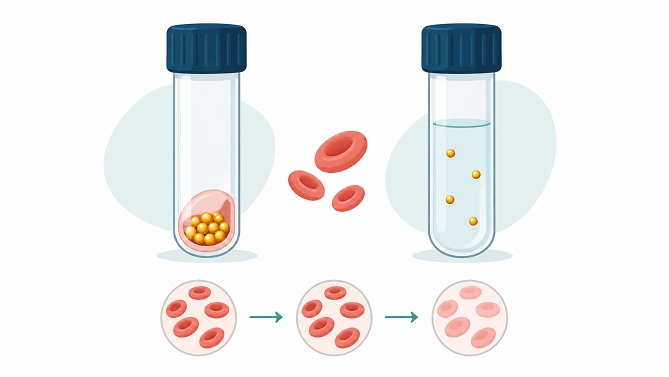
What Is the Difference Between Ferritin and Iron Tests? Can Iron Stores Be Low with Normal Hemoglobin?
Iron is a mineral essential for oxygen transport and many cellular functions in the body. A single test may not be sufficient to assess iron status; results such as ferritin, serum iron and a complete blood count are considered together.
What do ferritin and serum iron indicate?
Ferritin provides information about the body's iron stores. Low ferritin suggests that iron stores may be depleted, even if hemoglobin is still normal.
Serum iron measures the amount of iron present in the bloodstream at the time of testing. Because it can fluctuate throughout the day and be affected by certain conditions, it does not indicate the body's total iron stores on its own. Ferritin is generally a more useful indicator for assessing iron stores.
| Test | What does it primarily indicate? |
|---|---|
| Ferritin | The status of iron stores |
| Serum iron | The amount of iron circulating in the blood |
| Hemoglobin | The level of the oxygen-carrying protein in the blood |
| Transferrin saturation | The extent to which iron is bound to transport proteins |
Can iron stores be low with normal hemoglobin?
Yes. When iron stores begin to decline, hemoglobin may remain normal for a while. If depletion progresses, hemoglobin may fall and iron deficiency anemia may develop. Therefore, a normal complete blood count alone does not conclusively indicate that iron stores are also adequate.
Some people with low iron stores may experience fatigue, weakness, headaches, difficulty concentrating or tiring quickly during exercise. Since these symptoms may have other causes, iron deficiency cannot be diagnosed based on symptoms alone.
Does a ferritin result always give an accurate picture?
Ferritin levels can rise during infection and inflammation. Therefore, when inflammation is present in the body, iron deficiency may not be completely ruled out even if the ferritin result appears normal or high. If the physician considers it necessary, transferrin saturation, serum iron, a complete blood count and markers of inflammation may be assessed together.
Age, sex, pregnancy status, coexisting conditions, the laboratory's reference ranges and the person's health at the time of testing are taken into account when interpreting results. Self-diagnosis based on a single value is not appropriate.
What are the possible causes of iron deficiency?
Heavy menstrual bleeding, pregnancy, inadequate iron intake, blood donation or certain intestinal diseases that affect iron absorption may contribute to depleted iron stores. In some people, blood loss may also be a cause that needs investigation. When iron deficiency is identified, it is important not only to correct the level but also to assess the underlying cause.
Should I get tested?
An assessment may be needed if you have symptoms such as fatigue, experience heavy menstrual bleeding, are pregnant or your doctor suspects iron deficiency. Your healthcare professional will determine which tests are appropriate and what the results mean.
Do not start iron supplements without an assessment of your test results and possible causes. Unnecessary supplementation may be inappropriate; if a deficiency requires treatment, the dose and duration should be tailored to the individual.
Ferritin and serum iron tests are available at Wellcare Laboratories. It is recommended that a physician assess the results together with a complete blood count and clinical information.