
EBV Infection
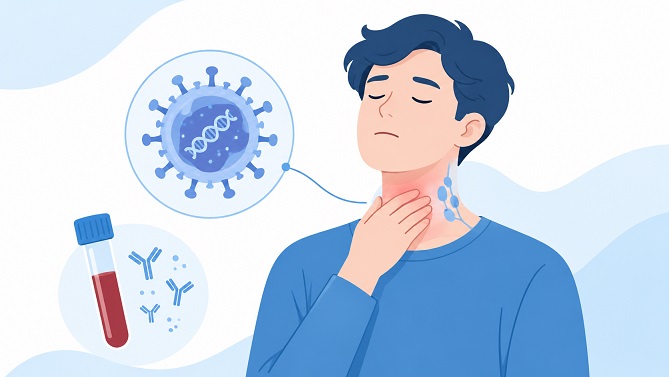
What Is EBV Infection? Symptoms, Diagnostic Testing and Treatment
Epstein–Barr virus (EBV) is one of the most common viruses worldwide. Most people encounter EBV during childhood and do not develop any noticeable illness. Some people who are first infected during adolescence or young adulthood may develop a condition called infectious mononucleosis, which causes fever, a sore throat and marked fatigue.
How common is EBV?
EBV is a virus that most people encounter at some point in their lives. According to the CDC, approximately 9 in 10 adults have antibodies indicating a past EBV infection. In children, the infection often causes no symptoms and may go unnoticed. At least a quarter of those first infected with EBV during adolescence or young adulthood may develop infectious mononucleosis.
How is EBV transmitted?
EBV is most commonly transmitted through saliva. Kissing, using the same glass or cutlery, and sharing a toothbrush or lip balm can lead to transmission. The virus may be present in saliva before symptoms begin and for some time after recovery. For this reason, it is not always possible to determine when transmission occurred.
What are the symptoms of EBV infection?
Symptoms may begin approximately 4–6 weeks after exposure to the virus and can vary from person to person. Common symptoms include:
- Fever
- Sore throat and swollen tonsils
- Enlarged lymph nodes in the neck
- Marked fatigue and weakness
- Headache or muscle pain
- Loss of appetite
- Occasional skin rash
Some people may develop an enlarged spleen or liver. These findings are not specific to EBV; other infections can cause similar symptoms.
What can EBV cause in the long term?
After an EBV infection, the virus may remain dormant in the body. In most healthy people, this does not mean that there is ongoing illness or persistent symptoms. In some people, fatigue may continue for several weeks, or sometimes months, after the fever and sore throat have resolved. If symptoms last longer than six months, a doctor should also assess other possible causes of fatigue.
EBV has been associated with diseases such as certain very rare types of lymphoma and nasopharyngeal cancer. However, exposure to EBV does not mean that these diseases will develop; the vast majority of people who have had EBV do not experience such outcomes.
The spleen may become enlarged during the acute phase of the infection. If the spleen is enlarged, an impact or strenuous exercise may pose a risk of serious injury to the spleen. The timing of a return to sports and physical activity should therefore be determined according to a doctor's advice.
How is EBV diagnosed? What is the VCA IgM test?
Symptoms and a physical examination may suggest EBV infection; however, blood tests are used to support the diagnosis when needed. Anti-EBV VCA IgM is one of the antibodies produced against EBV that can usually be detected in the early stages of infection. The EBV VCA IgM test is available at Wellcare Laboratories.
To interpret the result correctly, the timing of symptom onset and the results of other EBV antibody tests may also be considered. This is because VCA IgM disappears over time, while some other EBV antibodies may remain positive for a long time, or even for life, after a past infection. Therefore, a single antibody result does not always indicate the stage of infection on its own.
Is there a treatment for EBV infection?
There is no specific treatment that completely eliminates EBV from the body. Most people recover within a few weeks; treatment generally focuses on relieving symptoms:
- Resting and drinking enough fluids
- Using medicines recommended by a doctor for fever or pain
- If the spleen is enlarged, avoiding contact sports and strenuous exercise until a doctor gives permission
Antibiotics are not effective against viruses and do not treat EBV infection. A doctor should decide whether antibiotics are needed.