
What Is Hypothyroidism?
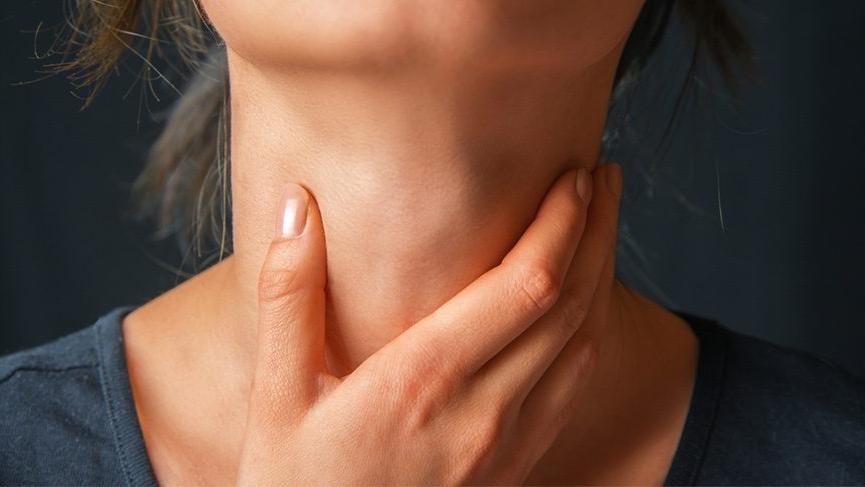
What Is Hypothyroidism? Symptoms, Diagnosis and Treatment
Hypothyroidism occurs when the thyroid gland cannot produce enough thyroid hormone to meet the body's needs. Thyroid hormones play a role in regulating energy use, heart rate and various bodily functions. Hypothyroidism may develop over time, and some people may have no noticeable symptoms for a long period.
What causes hypothyroidism?
One common cause is Hashimoto's disease, in which the immune system damages the thyroid gland. Hypothyroidism can also develop after thyroid surgery or radioactive iodine treatment, as a result of certain medications or, less commonly, due to conditions affecting the pituitary gland. Some causes, such as thyroiditis, may lead to temporary changes in hormone levels.
What are the symptoms of hypothyroidism?
Symptoms vary from person to person and may also be associated with other conditions. Possible symptoms include:
- Fatigue and reduced energy
- Feeling cold or intolerance to cold
- Constipation
- Dry skin and changes in hair
- Weight gain
- Muscle pain or weakness
- Slower thinking and difficulty concentrating
- Changes in menstrual patterns
These symptoms alone do not establish a diagnosis of hypothyroidism; diagnosis is based on blood tests and clinical assessment.
Which tests are used to diagnose hypothyroidism?
A diagnosis can be made by checking hormone levels with a blood test called a thyroid function test . Assessment usually begins with measurements of TSH and free T4 (FT4):
- If TSH is high and FT4 is low: This supports the possibility of primary hypothyroidism.
- If TSH is high and FT4 is normal: This may indicate subclinical hypothyroidism. In this case, the need for treatment is assessed alongside the TSH level, symptoms, antibodies and the person's clinical condition; not everyone needs to start medication.
- If FT4 is low but TSH is not elevated as expected: Assessment for a less common condition originating in the pituitary gland or hypothalamus may be needed.
If Hashimoto's disease is suspected, thyroid antibody tests such as anti-TPO may be requested. Test results should be interpreted alongside current medications and medical history.
How is hypothyroidism treated?
The medication most commonly used to treat hypothyroidism is levothyroxine. The dose is determined by a doctor, taking into account TSH and FT4 results, age, pregnancy status and coexisting conditions. The doctor also plans when blood tests should be repeated after a dose change. Do not change your medication dose or stop treatment on your own.
During pregnancy or when planning a pregnancy
Thyroid hormone requirements and the interpretation of test results may change during pregnancy. People diagnosed with hypothyroidism or taking levothyroxine should inform their doctor early if they are planning a pregnancy or are pregnant. Treatment and monitoring are based on pregnancy-specific assessment; do not change your medication dose without your doctor's advice. The ATA's 2026 guideline includes up-to-date recommendations on the assessment of thyroid disorders before and during pregnancy.
Frequently asked questions
Does an elevated TSH level alone establish a diagnosis of hypothyroidism?
No. TSH, FT4 and the clinical condition are assessed together. In some cases, additional tests or repeat measurements may be needed.
Does subclinical hypothyroidism always require medication?
No. The treatment decision is individualised based on the TSH level, symptoms, antibody results, pregnancy status and other health conditions.
Does hypothyroidism cause weight gain?
It may contribute to weight gain in some people; however, weight change alone is not an indicator of hypothyroidism and may have other causes.
Can thyroid tests be performed at Wellcare Laboratories?
You can provide a blood sample at Wellcare Laboratories for tests such as TSH and free thyroid hormones. Your doctor determines which tests are needed based on your clinical condition.