
Your Partner in Health and Wellness
Location
What is genetic testing? Who is it for?
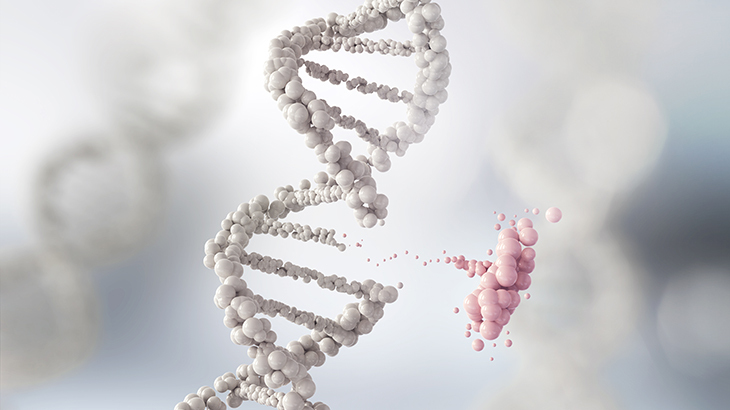
Today, genetic, that is, hereditary, factors underlie many diseases. Genetic tests play an important role in identifying such diseases and predispositions to certain health problems. With these tests, it is possible to obtain a great deal of information, from diagnosing rare diseases to detecting possible disorders in an unborn baby.
What is genetics?
Genetics is a branch of science that studies DNA and the components it produces. All living organisms—plants, animals, humans, and even bacteria and viruses—are made up of cells containing DNA or RNA that carry their information. These molecules contain data such as physical characteristics like hair colour, eye colour and height, as well as predisposition to diseases, patterns of behaviour and how organs will function. The information in our DNA is passed on to our children directly or indirectly. These chains, which form the basis of hereditary structures, pass from generation to generation. The information that shapes our lives is present in our DNA from the moment of birth.
What are hereditary diseases?
Disorders caused by defective genes passed down from the mother and father are called hereditary diseases. These diseases can be transmitted in different ways. In some cases, one of the parents must be affected for the disease to appear, while in some genetic diseases both the mother and the father may be carriers, and their children may be affected even if they themselves appear healthy. For this reason, the risk of hereditary diseases is higher in consanguineous marriages. SMA, thalassemia, Huntington's disease, phenylketonuria and night blindness are examples of such diseases. In addition, heart conditions, high cholesterol and diabetes, which are common diseases, are also known to be transmitted through genetic predisposition. Individuals with a mutation in their genetic makeup may show symptoms of a genetic disease from birth or at some point in their lives. The decoding of the structure of human DNA in the 2000s made it possible to obtain more detailed information about hereditary diseases. For this reason, genetic screening tests are becoming more widespread every day.
What is a genetic test?
Genetic tests are tests aimed at identifying genetic diseases in an individual or a predisposition to these diseases. They can be performed on samples such as blood, saliva, bone marrow, urine and amniotic fluid. DNA is isolated from the sample taken, and specific genes or gene regions are examined for mutations.
What types of genetic tests are there?
- Chromosome analysis
- FISH (Fluorescence in situ hybridization)
- Array CGH (Molecular karyotyping)
- PCR (Polymerase chain reaction)
- DNA sequence analyses (Sanger, next-generation sequencing, exome analysis, etc.)
These methods can be used individually or in combination, depending on the type of disease. Multiple tests may be required, especially in syndromic conditions where a diagnosis cannot be made.
What is pharmacogenetic analysis?
Each individual's response to medications may differ. These differences depend on the genetic makeup of the enzymes that metabolize drugs. Pharmacogenetic tests can determine in advance a person's sensitivity or resistance to a drug. This is particularly important for drugs used in psychiatric diseases, cancers and heart diseases.
How is a genetic test performed?
DNA is isolated from the sample to be tested (blood, saliva, bone marrow, etc.). The targeted tests are performed on this DNA. Paternity testing, disease risk screening or cancer mutation tests can be performed using these methods.
Who should have a genetic test?
- Children with intellectual disability or developmental delay, or physical abnormalities
- Couples who have experienced recurrent pregnancy losses
- Individuals with infertility problems
- Those with a history of cancer in more than one family member
- Individuals carrying a hereditary cancer mutation
- Those with neurological diseases (epilepsy, autism, ALS, Alzheimer's, etc.)
- Those in a consanguineous marriage and with a family history of genetic disease
- Those who want to have an individual genetic check-up
How long do genetic test results take?
The turnaround time varies depending on the type of test and the laboratory. For example, while some cancer tests are resulted within a few days, whole exome analyses can take 4-6 weeks.
Who is genetic counselling recommended for?
Individuals with a history of genetic disease, couples who want pre-pregnancy screening, individuals and family members with chromosomal abnormalities, those with a history of recurrent miscarriage, and individuals who wish to have a baby at an advanced age should benefit from genetic counselling.
Are allergic diseases genetic?
The fact that these diseases are seen more frequently in individuals whose parents have allergies suggests a genetic predisposition. There are also some genetic syndromes that can cause allergies, and these conditions can be detected with genetic tests. In addition, conditions such as gluten, lactose and caffeine intolerance can also be assessed with genetic tests .
What are the advantages of genetic tests?
For example, it is important for individuals who are SMA carriers to be tested together with their partners in order to prevent the risk of their children being born with this disease. A healthy embryo can be selected through the in vitro fertilization (IVF) method. Similarly, individuals at risk of hereditary cancer or other genetic diseases can take preventive measures by having this information.
What is the accuracy rate of genetic tests?
Although it varies depending on the type of test, the accuracy rate of genetic tests is generally between 98% and 99.9%.
Are genetic screening and genetic testing the same thing?
No. Screening looks for risk in a person without symptoms; a diagnostic test finds the genetic cause in a person who has symptoms. Genetic screening can be performed for one or more diseases, or as broad-scale analyses covering all disease-causing genes. These tests are generally called WES (Whole Exome Sequencing) or WGS (Whole Genome Sequencing).