
What can be investigated with NIPT?
Apr 28, 2025 | Wellcare Laboratories
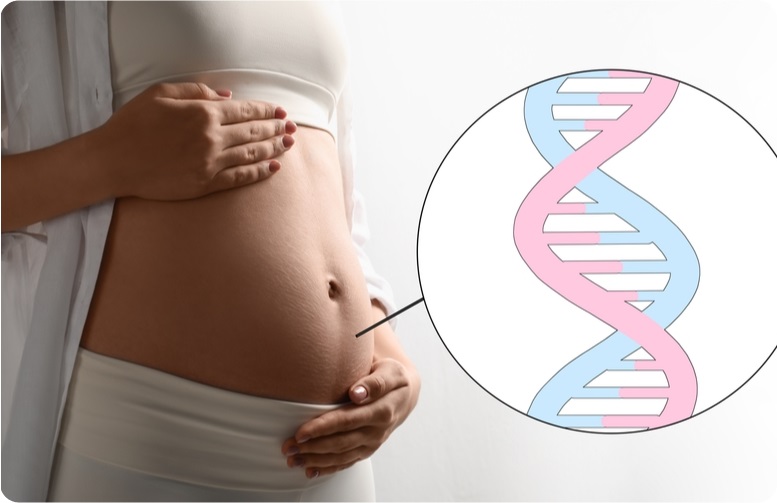
NIPT - what can be investigated?
1) Abnormalities in chromosome number: ANEUPLOIDIES
- Trisomy: Presence of three copies of a chromosome
- Monosomy: Presence of only one copy of a chromosome
The most common ones:
- Trisomy of chromosome 21 (Down Syndrome): 1 in every 700 births
- Trisomy of chromosome 18 (Edwards Syndrome): 1 in every 3000 births
- Trisomy of chromosome 13 (Patau Syndrome): 1 in every 6000 births
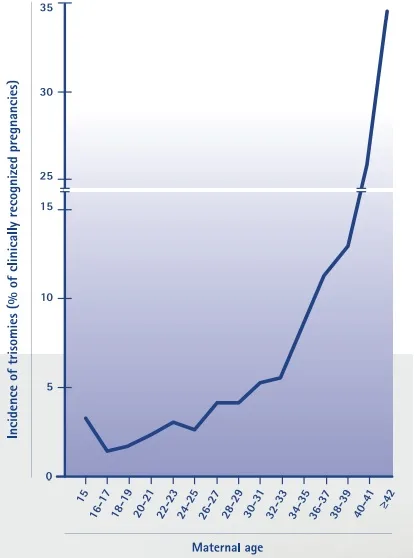
The incidence increases with maternal age.
2) Chromosome Structural Abnormalities
- Deletion: Loss of a part of a chromosome
- Duplication: Doubling of a part of a chromosome
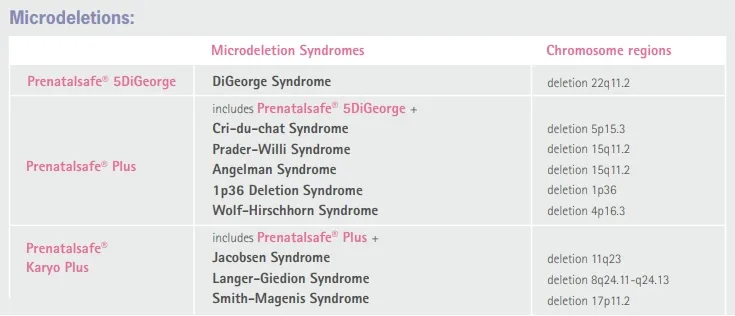
If these rearrangements are very small, they are called microdeletions and microduplications.
*22q11.2 Microdeletion is the most common microdeletion and is associated with DiGeorge Syndrome. Its incidence is 1 in every 2,000-4,000 people and it is not related to maternal age.
3) Genetic Diseases
- De novo (newly arising) mutations: DNA changes occurring for the first time in the fetus
- Inherited mutations: DNA changes passed down from the parents
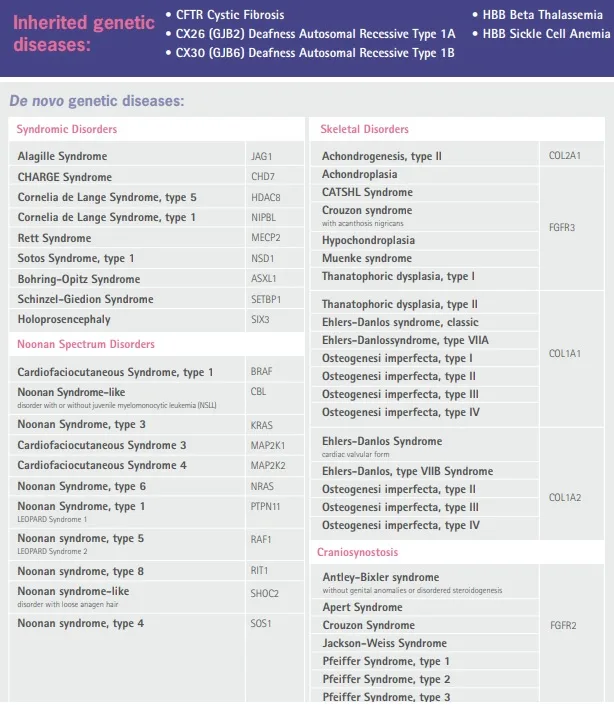
In particular, whether an individual is a healthy carrier should be investigated.
(Healthy carrier: Carries the disease but shows no symptoms.)