
Your Partner in Health and Wellness
Location
Down Syndrome
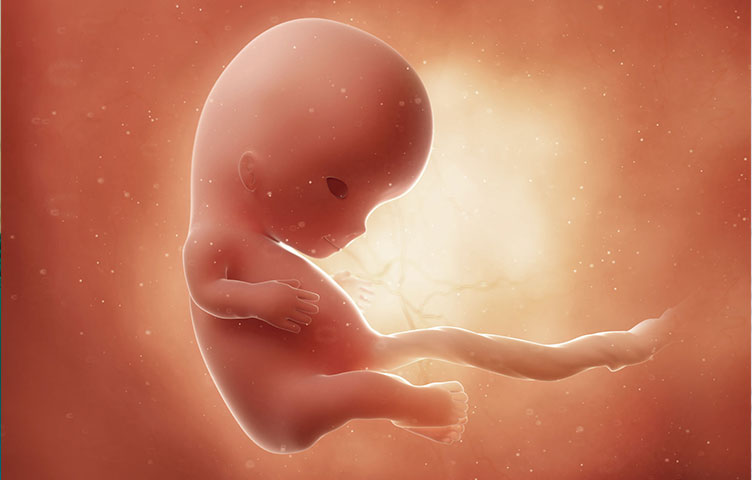
Children with Down syndrome make great progress with early diagnosis.
Down syndrome is a genetic disease; it is a chromosomal anomaly and one of the most common causes of intellectual disability. While the human body normally has 46 chromosomes, people with Down syndrome have 47 chromosomes because there are three copies of chromosome 21.
A genetic disease
The greatest risk factor is advanced maternal age; that is, pregnancy over the age of 35 increases the risk of Down syndrome. Around 6 million people with Down syndrome live worldwide. It is a genetic disease in which intellectual disability and heart and digestive system disorders are seen in children with DS.
The thyroid gland is underactive
Individuals with DS are generally shorter than their peers. Because their thyroid glands in particular are less active, their metabolism works more slowly, so if they do not acquire proper eating habits, their risk of obesity increases in later years. Because of muscle weakness, it is necessary to contact a physiotherapist as soon as babies are born and prepare a forward-looking support program.
Screening and diagnosis are possible in pregnancy
All pregnant women, regardless of age, must have tests for Down syndrome. In the first trimester of pregnancy, the baby's nuchal translucency measurement and certain blood tests on the mother are required. With advancing technology, chromosomal disease screening can be performed with NIPT-type tests . In case of high risk, CVS or amniocentesis is required for a definitive diagnosis.