
Recurrent Urinary Tract Infection
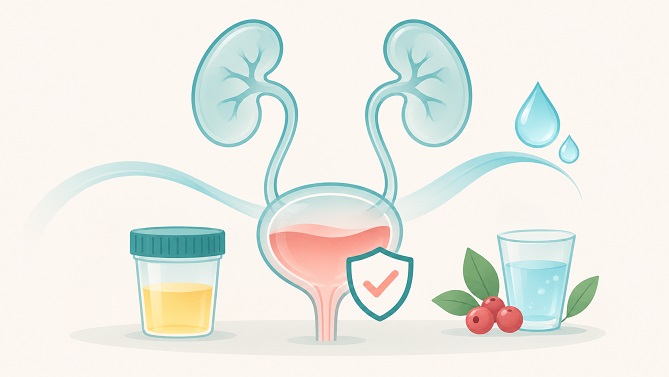
Recurrent Urinary Tract Infection: Causes and Prevention
Burning during urination, frequent urination and a sudden urge to urinate are common symptoms of a urinary tract infection. If these symptoms recur at short intervals, it is important to investigate the cause and identify appropriate preventive measures.
When is a urinary tract infection considered recurrent?
Recurrent urinary tract infection is defined as at least 2 episodes of cystitis in the last 6 months or at least 3 episodes in the last 12 months. Confirmation of the diagnosis by urine culture is recommended whenever possible.
Why can it recur?
Most urinary tract infections occur when bacteria that may naturally be present around the bowel reach the urinary tract. This does not always indicate poor hygiene.
Some factors that may affect the likelihood of recurrence include:
- The onset of symptoms after sexual intercourse or the use of spermicidal products
- Reduced oestrogen levels and changes in vaginal tissues after menopause
- Incomplete bladder emptying, urinary incontinence or pelvic organ prolapse
- Kidney stones or a structural or functional problem in the urinary tract
- Diabetes, conditions affecting the immune system or the use of a urinary catheter
- A history of frequent urinary tract infections
In some people, no clear cause may be identified.
Why is urine culture important for diagnosis?
For recurrent symptoms, a urine culture, with the sample collected before starting antibiotics if possible, helps identify the bacteria causing the infection and the antibiotics that may be effective. This can help prevent unnecessary or inappropriate antibiotic use. It is important to collect a clean-catch midstream urine sample.
If burning and frequent urination persist despite a negative culture, a doctor may assess other possible causes of similar symptoms, such as vaginal infections, sexually transmitted infections, bladder pain syndrome or stones.
Not everyone with recurrent infections needs cystoscopy or imaging. A doctor will arrange these investigations if stones, an obstruction or another problem are suspected.
What can be done to reduce the risk of recurrence?
- Drink enough fluids. There is evidence that increasing fluid intake may reduce episodes, particularly in premenopausal women who drink little water during the day. However, if you have a fluid restriction because of heart or kidney disease, consult your doctor.
- Review your use of spermicidal products. These products may increase the risk of infection in some people; you can discuss alternative contraceptive methods with your doctor.
- Discuss postmenopausal symptoms with your doctor. Vaginal oestrogen therapy may help prevent recurrent cystitis in suitable individuals. This treatment should be used on a doctor's recommendation.
- Try not to hold your urine for long periods. Urinating after sexual intercourse and following advice on toilet habits may carry little risk; however, evidence for the protective effects of these behaviours is limited.
- Avoid vaginal douching and perfumed genital products. These can cause irritation. There is no need to apply products inside the vagina for cleansing.
- Do not start preventive medication on your own. If episodes continue, your doctor may consider non-drug options or preventive treatment in selected individuals, depending on your circumstances. Evidence for the benefits of supplements such as D-mannose is inconclusive.
When should you seek medical help without delay?
If you have a fever, chills, flank or lower back pain, nausea or vomiting, the infection may have spread to the kidneys and prompt assessment is needed. Also consult a healthcare professional if you suspect a urinary tract infection during pregnancy.
Urinalysis and urine culture are available at Wellcare Laboratories. Particularly when symptoms recur, test results should be considered alongside a doctor's assessment; antibiotic treatment should be planned according to the culture results and the clinical condition.