
Your Partner in Health and Wellness
Location
Head Office: Wellcare Health Clinic, Nazım Hikmet Caddesi, Omağ Sitesi, Blok F1, Dükkan 3, Aydemet Metehan, Lefkoşa Nicosia Branch: Miracle Hastanesi, Prof. Hilmi İleri Sokak No:24, Lefkoşa, Kıbrıs Kyrenia Branch: Medicalport Tunççevik Hastanesi, Kurtuluş Caddesi, Numara 70, Bellapais Yolu, Girne, Kıbrıs


What Is Fertiscan?
FertiScan® is a group of tests that investigate genetic changes associated with female and male infertility. The relevant genes are examined by Next-Generation Sequencing (NGS).
The test can help explain the cause of infertility, plan assisted reproductive treatment and evaluate possible hereditary risks. Approximately 10-15% of male infertility cases and approximately 8-10% of female infertility cases may be associated with genetic changes. Chromosomal abnormalities and Y chromosome microdeletions are not detected by an NGS panel; if the sperm count is below 5 million/mL, karyotyping and Y microdeletion (AZF) testing should be performed first.
The test can help explain the cause of infertility, plan assisted reproductive treatment and evaluate possible hereditary risks. Approximately 10-15% of male infertility cases and approximately 8-10% of female infertility cases may be associated with genetic changes. Chromosomal abnormalities and Y chromosome microdeletions are not detected by an NGS panel; if the sperm count is below 5 million/mL, karyotyping and Y microdeletion (AZF) testing should be performed first.
Who Can It Be Recommended For?
- ✓ Couples having difficulty conceiving
- ✓ Those with unexplained infertility
- ✓ Those with repeated insemination or IVF failure
- ✓ Those with recurrent pregnancy loss
- ✓ Women diagnosed with premature ovarian insufficiency or low ovarian reserve
- ✓ Those with problems in oocyte maturation or embryo development
- ✓ Men with azoospermia, oligospermia, or sperm motility or morphology disorders
- ✓ Those with a family history of infertility or early menopause

How Is the Test Performed?
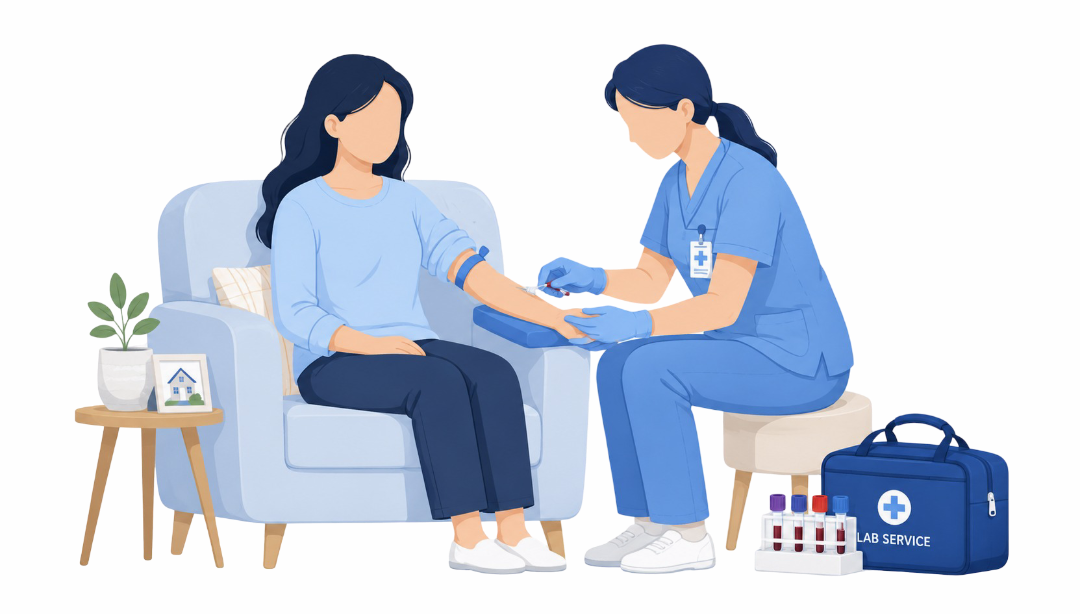
Approximately a 3 mL blood sample is taken. After DNA is obtained, the coding regions of the relevant genes are analyzed by NGS. This panel cannot detect the FMR1 CGG repeat expansion; a separate PCR-based repeat analysis is required for Fragile X.
The turnaround time is approximately 15-20 working days.
The turnaround time is approximately 15-20 working days.
What Do the Results Mean?
A positive result may indicate that a genetic change associated with infertility has been detected, and it may influence the treatment plan, the tests to be performed on the partner, or the need for genetic counseling.
A negative result indicates that no explanatory change was found in the genes examined; however, it does not rule out all genetic and non-genetic causes of infertility.
FertiScan does not replace hormone tests, ultrasound, semen analysis, karyotyping and other infertility investigations. Results should be evaluated together with clinical findings.