
What is hay fever (allergic rhinitis)?
Spring Fatigue and Spring Allergies
What is spring fatigue?
“Spring fatigue” is an everyday term used to describe tiredness, low energy or difficulty concentrating during seasonal transitions; it is not, in itself, a diagnosis of a specific disease. Sleep patterns, stress, diet, physical activity and seasonal changes can affect how a person feels. However, it is not correct to attribute spring fatigue to a single cause, hormonal changes or a “weakened immune system”.
Regular sleep schedules, a balanced diet and physical activity suited to a person's fitness level can support general well-being. If you have not exercised for a long time, it is appropriate to increase the intensity gradually. There is no fixed water intake target that applies to everyone; requirements vary depending on weather conditions, activity level and health status.
If fatigue lasts for several weeks, affects daily life or is accompanied by other symptoms such as weight loss, shortness of breath, palpitations or significant changes in mood, a medical assessment is needed. Various causes may be investigated, including anaemia, thyroid disorders, diabetes, sleep problems, infections and mental health conditions.
What is spring allergy (allergic rhinitis)?
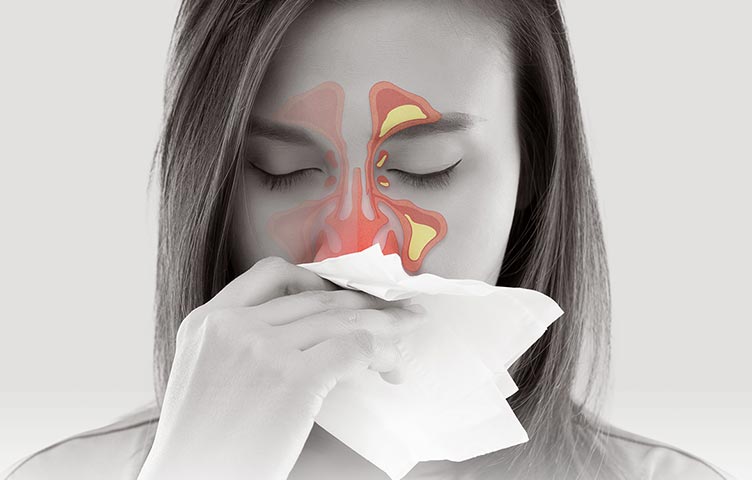
During the spring months, tree, grass and weed pollens can trigger symptoms of allergic rhinitis in some people. Common symptoms include a runny or blocked nose, repeated sneezing, an itchy nose and eyes, and watery eyes. Coughing or wheezing may also occur; a healthcare professional should be consulted, particularly if there is shortness of breath or symptoms of asthma.
The pollen season and pollen levels vary depending on plant species, the region's climate and weather conditions. It is therefore not possible to say that pollen levels will always peak in a particular month. Checking pollen forecasts, where available, and observing when symptoms worsen may be helpful. Although rain can often temporarily reduce pollen levels, the effects of weather conditions are not always the same.
To reduce pollen exposure
- Consider reducing the time you spend outdoors on days when pollen levels are high.
- Change your clothes after coming indoors; showering and washing your hair may help remove pollen from your body.
- Keep windows closed when pollen levels are high; regularly clean or replace ventilation filters in your car and home.
- Try wearing sunglasses and a hat when outdoors.
- Do not dry laundry outdoors on days when pollen levels are high.
- Dust your home with a damp cloth and clean regularly.
- Avoid cigarette smoke; it can worsen nasal and respiratory symptoms.
It is not correct to regard mornings or rainy days as the “best” time for everyone to go outdoors; pollen levels vary depending on plant species and local conditions.
What do allergy tests show?
When assessing allergic rhinitis, the physician considers the symptoms and possible triggers. If needed, a skin test or a blood test for allergen-specific IgE may be requested. A positive test indicates sensitisation to that allergen; on its own, it does not prove that the person develops a clinical allergic reaction when exposed to that substance. The result should be interpreted alongside the symptoms and clinical history.
At Wellcare Laboratories, a 26-parameter Respiratory Panel is performed using the Euroimmun method, covering pollens as well as house dust mites, moulds and animal-derived allergens. Sensitisation results from this panel should also be considered alongside a physician’s assessment. Learn about the respiratory allergy panel and other allergy tests.
Treatment of spring allergies
When measures to reduce pollen exposure are not sufficient, a physician or pharmacist may consider options such as antihistamines or intranasal corticosteroids, depending on the symptoms and the person's health status. Some sprays used for nasal congestion can worsen symptoms when used for prolonged periods, so follow a healthcare professional's advice on how long to use the product. Consult a specialist if allergy symptoms affect sleep or daily life, do not improve despite treatment, or are accompanied by asthma symptoms.
You can visit our Nicosia or Kyrenia branches for your laboratory tests.