
Vaccination During Pregnancy
Frequently Asked Questions About Pregnancy and Vaccines
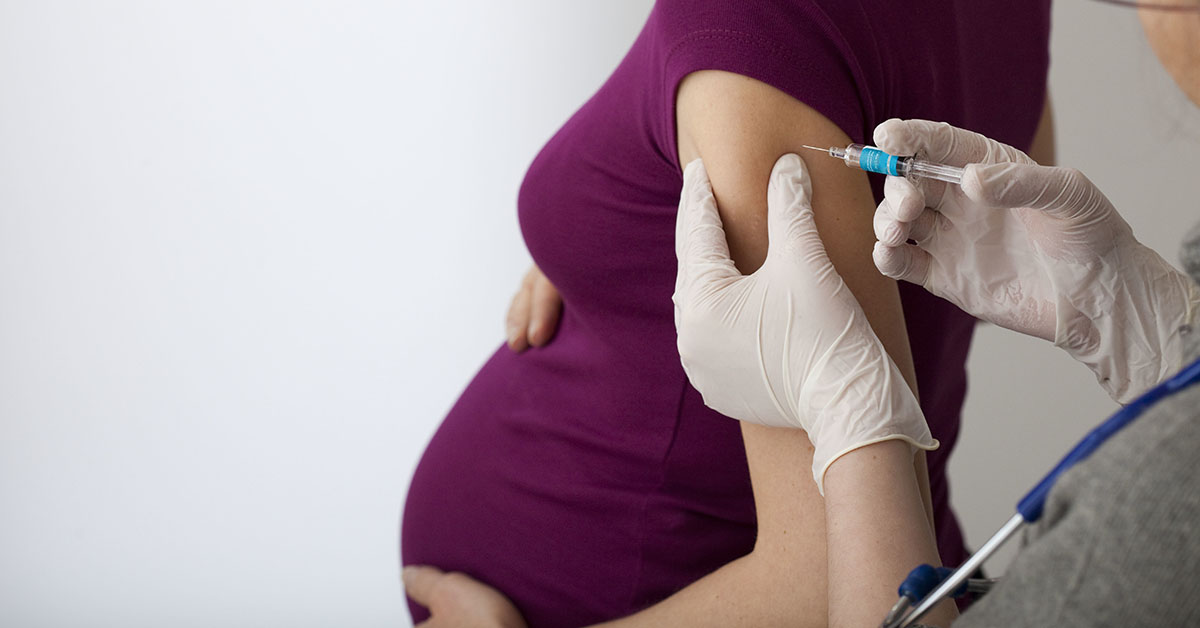
Vaccines are extremely important for protecting people against various diseases and viruses. Vaccines administered at the right time are highly likely to prevent disease or ensure a very mild course of illness. There are schedules established by both local and global health authorities specifying which vaccines should be administered and when. However, there are also some considerations outside these schedules that require attention when vaccinating. Pregnancy is one of the main situations in which the routine vaccination schedule does not apply. Since vaccines administered during this period can directly affect the health of both the mother and the baby, caution is necessary. Following the schedule recommended by infectious disease specialists for vaccination during pregnancy is extremely important for protecting the health of the baby and the mother. Some vaccines that are beneficial outside pregnancy may become harmful during pregnancy, while vaccines that are not normally needed may be required during pregnancy.
The Importance of Vaccination During Pregnancy
Vaccination is a sensitive issue during pregnancy. Vaccination during this period has two main purposes. The first is to protect the mother against infectious diseases for which she is at high risk. During pregnancy, mothers' immune systems become considerably weaker, making them more vulnerable. This means they are less resistant to infectious diseases. An influenza infection that would not affect the mother outside pregnancy may cause severe illness during pregnancy. Vaccination also becomes more important because illnesses during this period can adversely affect the baby's health. Another reason for vaccination during pregnancy is to help protect the baby against diseases for the first few months after birth. Antibodies produced when the mother is vaccinated pass through the placenta to the baby. As a result, the baby is protected against infectious diseases for the first few months after birth. Vaccination planning during pregnancy should be carried out in consultation with an obstetrician-gynaecologist. Some vaccines need to be administered before pregnancy, while others should be given during pregnancy. For this reason, women planning to have a baby are advised to have their vaccination status checked beforehand and receive the recommended vaccines at least 1 month before pregnancy. It is also important for women who receive live vaccines before pregnancy to take care not to become pregnant for 1 month.
Vaccines recommended for all pregnant women
- Influenza:
- Vaccination is recommended because seasonal influenza can cause more complications during pregnancy and the postpartum period.
- The vaccine may also protect the newborn.
- The inactivated influenza vaccine can be safely administered at any stage of pregnancy.
- Tetanus, diphtheria, pertussis:
- Tetanus, diphtheria and acellular pertussis (Tdap) vaccination is recommended for every pregnant woman after week 20.
- Administering the vaccine at 27 – 36 weeks can also provide protection against pertussis for the newborn.
- COVID-19: One dose during each pregnancy, preferably in the second trimester; consult your doctor about administration.
- RSV: A single dose in the third trimester to protect the baby (Abrysvo); alternatively, nirsevimab for the baby.
Vaccines recommended according to the pregnant woman's risk status
- Pneumococcal vaccine
- Hepatitis A
- Hepatitis B
- Meningococcal vaccine
- Haemophilus influenzae type b (Hib) vaccine
Vaccines not recommended during pregnancy
- Measles
- Rubella
- Mumps
- Chickenpox
- BCG
- HPV
*For a healthy pregnancy, see ‘Screening tests during pregnancy'.