Upper Respiratory Tract Diseases (URTI)
What Are Upper Respiratory Tract Infections (URTIs)?
Upper respiratory tract infections affect areas such as the nose, sinuses, throat and larynx. The common cold, pharyngitis and laryngitis belong to this group. Most of these infections are caused by viruses; influenza and COVID-19 can also cause symptoms similar to those of the common cold. Because the symptoms are similar, it is not always possible to identify the cause definitively based on symptoms alone.
Bronchitis, bronchiolitis and pneumonia affect the lower respiratory tract. As symptoms such as coughing or shortness of breath can also occur in these illnesses, severe or worsening symptoms should be assessed by a doctor.
What are the symptoms of URTIs?
URTIs may cause the following symptoms:
- Runny or blocked nose
- Sneezing
- Sore throat
- Cough
- Hoarseness
- Fatigue, headache or muscle aches
- Fever
The type and severity of symptoms may vary depending on the person and the infection. Infants, older adults, people with weakened immune systems and those with chronic conditions, in particular, may experience more severe illness with some respiratory tract infections.
How are URTIs transmitted?
Respiratory viruses can be transmitted through particles released during coughing, sneezing and close contact. Some viruses can also be transmitted by touching surfaces contaminated with an infected person's secretions and then touching the eyes, nose or mouth. Hand hygiene, ventilating indoor spaces and reducing close contact with others when ill help lower the risk of transmission.
When might a respiratory PCR test be considered?
A PCR test is not needed for every mild cold that is expected to resolve on its own. A doctor may consider testing, particularly for people at risk of severe illness, when symptoms suggest influenza or COVID-19, when the illness is worsening or prolonged, or when the test result could affect treatment and prevention decisions. As some treatments for influenza and COVID-19 are more effective when started early, it is important for people in at-risk groups to seek advice from a healthcare professional without delay.
The Wellcare Respiratory PCR panel tests for the 26 respiratory pathogens included in the panel. The type of sample to be collected and whether testing is necessary are determined by the person's symptoms and clinical assessment. The PCR result should be interpreted alongside clinical findings; the test only checks for pathogens included in the panel.
How are URTIs treated?
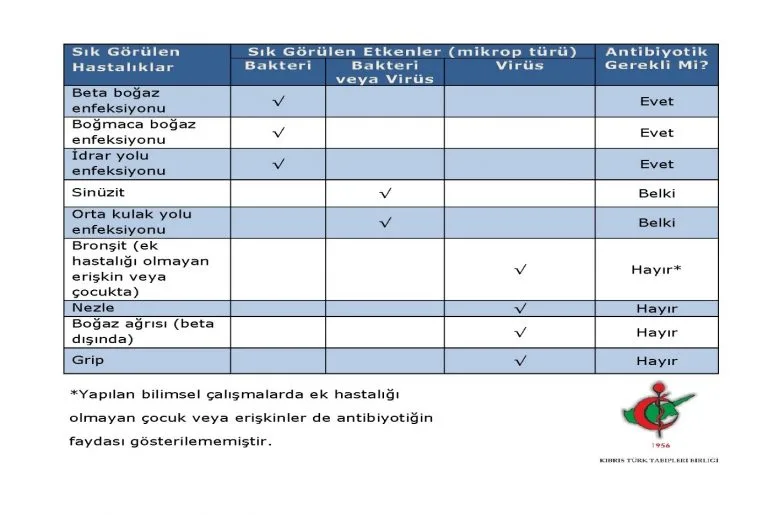
As most URTIs are viral, antibiotics are not effective against the common cold, influenza or other viral infections. Yellow-green nasal discharge or phlegm alone does not indicate a need for antibiotics. Antibiotics should only be used when a doctor suspects a bacterial infection or confirms it through testing. Unnecessary antibiotic use can cause side effects and antibiotic resistance.
For mild symptoms, rest, adequate fluid intake and saline for nasal congestion may provide relief. Consult a doctor or pharmacist about using medicines for fever or pain, taking the person's age and health status into account. When giving medicines to children, ask a healthcare professional about age-appropriate products and doses.
When should I see a doctor?
Seek medical assessment in the following situations:
- Difficulty breathing or rapid breathing
- Chest pain or bluish discolouration of the lips
- Inability to drink fluids, a marked decrease in urination or other signs of dehydration
- A high fever or a fever lasting several days
- Symptoms lasting longer than 10 days or worsening again after initially improving
- The onset or worsening of symptoms in an infant, an older adult, a person with a weakened immune system or someone with a chronic condition
Seek emergency help if there is shortness of breath, confusion, difficulty waking or bluish discolouration.