
Prediabetes
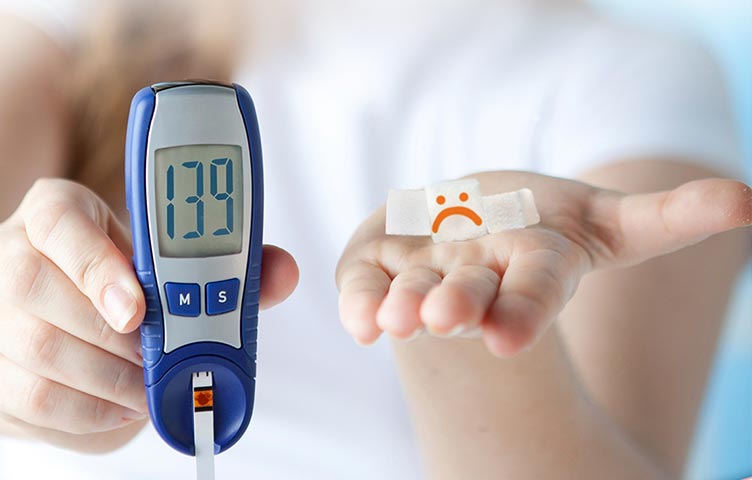
What Is Prediabetes (Borderline Diabetes)?
Prediabetes is a condition in which blood glucose levels are above the normal range but do not reach the diagnostic threshold for diabetes. According to ADA criteria, any of the following results falls within the prediabetes range:
- Fasting plasma glucose: 100–125 mg/dL
- 2-hour glucose during a 75 g OGTT: 140–199 mg/dL
- HbA1c: 5.7–6.4%
No calorie-containing food or drinks should be consumed for at least 8 hours before a fasting blood glucose measurement. Test results may not always agree with one another; the physician selects the appropriate test or tests based on the individual's circumstances.
Prediabetes often occurs without symptoms. Recognising the risk at this stage, making lifestyle changes and having regular follow-up can help delay or, in some people, prevent the development of type 2 diabetes. However, this does not mean that everyone with prediabetes will develop diabetes or that diabetes can only be prevented at this stage. When prediabetes is detected, blood glucose is generally reassessed at least once a year; the frequency of follow-up is determined by the physician based on individual risk factors.