
Helicobacter Pylori
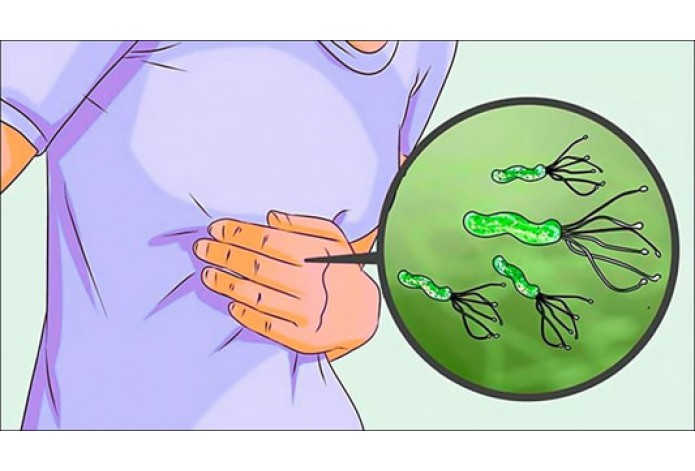
What Is Helicobacter pylori?
Helicobacter pylori (H. pylori) is a bacterium that can live in the stomach lining. The infection is common worldwide; however, not everyone who carries the bacterium experiences symptoms or develops ulcers. Transmission usually occurs during childhood. Although the routes of transmission are not fully understood, oral–oral and faecal–oral transmission are thought to play a role.
H. pylori can cause chronic gastritis and stomach or duodenal ulcers in some people. Long-term infection may increase the risk of stomach cancer; however, most people with the infection do not develop cancer.
What Are the Symptoms of H. pylori?
H. pylori infection often causes no symptoms. When symptoms occur, they may include pain or burning in the upper abdomen, bloating, nausea and feeling full early. As these symptoms can also occur in other conditions, H. pylori cannot be diagnosed based on symptoms alone.
If you have signs such as black, tarry stools, vomiting blood, unexplained weight loss or anaemia, you should seek medical attention without delay.
How Is H. pylori Diagnosed?
H. pylori can be investigated using a stool antigen test, a urea breath test or a biopsy sample taken during endoscopy. Our laboratory offers the stool antigen test for H. pylori. This test can be used to detect active infection and to check whether the bacterium has been eradicated after treatment.
Endoscopy is not necessary for every patient; your doctor will assess your symptoms and risk factors to decide which investigation is appropriate.
What Should You Consider Before the Test?
Proton pump inhibitors (PPI), which reduce stomach acid, can affect the test result and cause a false negative. In general, PPI medicines need to be stopped for 2 weeks before the test, and antibiotics and medicines containing bismuth for 4 weeks. Do not stop taking your medicines without consulting your doctor.
H. pylori Treatment and Follow-Up Testing
H. pylori infection is treated with antibiotics and medicines that suppress stomach acid, as prescribed by a doctor. The treatment regimen is selected based on factors such as previously used antibiotics, medicine allergies and antibiotic resistance. For this reason, treatment medicines should not be started or changed without a doctor's recommendation.
For people who have completed treatment, a follow-up test is recommended to confirm that the bacterium has been eradicated. Follow-up testing with a stool antigen test should be performed at least 4 weeks after antibiotic treatment has ended; PPI medicines should generally be stopped for 2 weeks before the test.
You can visit our Nicosia or Kyrenia branches for an H. pylori stool antigen test in Northern Cyprus. Follow your doctor's advice on the timing of the test and the interpretation of the results.