
Bacterial Vaginosis (BV)
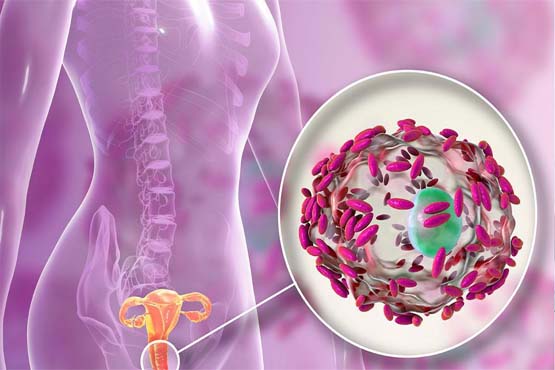
What Is Bacterial Vaginosis (BV)? Symptoms and Diagnosis
Bacterial vaginosis (BV) is a common condition caused by a change in the balance of microorganisms in the vagina. Protective Lactobacillus species, which normally predominate in the vagina, decrease, while various anaerobic bacteria may increase. Therefore, it is not accurate to explain BV solely by the presence of a single bacterium, such as Gardnerella vaginalis. The vaginal balance and the relative distribution of bacteria are important.
BV is not classified as a sexually transmitted infection caused by a single pathogen in the conventional sense. It may be associated with sexual activity, but it can also occur in people who have never had sexual intercourse. Practices such as vaginal douching can also affect the vaginal balance.
What are the symptoms of bacterial vaginosis?
BV may not always cause symptoms. When symptoms occur, they may include:
- Thin, whitish or grey vaginal discharge
- A fishy odour that may become more noticeable, especially after sexual intercourse
- Vaginal discomfort or burning
Itching and burning during urination can also occur with other vaginal or urinary tract conditions; these symptoms alone do not establish a diagnosis of BV. The cause of the symptoms should be assessed through an examination and appropriate tests.
How is bacterial vaginosis diagnosed?
Clinical assessment and laboratory investigations are used to diagnose BV. The CDC lists the clinical Amsel criteria or evaluation of a Gram-stained vaginal smear with Nugent scoring among the accepted diagnostic methods.
Nugent scoring assesses bacterial morphology in a Gram-stained vaginal smear, Lactobacillus predominance and bacterial groups associated with BV together:
- 0–3: Consistent with Lactobacillus-dominant vaginal flora
- 4–6: Intermediate or altered flora
- 7–10: Consistent with bacterial vaginosis
At Wellcare Laboratories, BV is assessed using Nugent scoring. This method examines the overall balance of the vaginal flora rather than whether a single bacterium tests positive.
Can PCR and vaginal culture replace BV diagnosis?
PCR detects the genetic material of specific microorganisms included in the test panel. Detecting a microorganism by PCR alone does not indicate a disruption of the vaginal balance or the presence of BV. Clinical findings and an appropriate assessment of the vaginal flora should be considered together when diagnosing BV.
A vaginal culture option is also available at Wellcare as part of sexual health screening. Depending on the physician's assessment, culture may help investigate microorganisms that can grow from a vaginal sample; however, culture for Gardnerella vaginalis is not recommended for diagnosing BV because this bacterium may also be present in people without BV. Nugent scoring is the assessment method used for BV in our laboratory.
How is bacterial vaginosis treated?
The decision to treat is made by a physician based on symptoms, examination findings, pregnancy status and the person's clinical history. Particularly when symptoms recur, a medical assessment is needed rather than self-treatment with antibiotics or vaginal products. BV can recur; if symptoms return, reassessment is necessary.
New recommendations have been published on considering simultaneous treatment of sexual partners in recurrent, symptomatic BV. This approach is not automatically necessary for everyone; the appropriate decision should be made together with a physician, based on individual circumstances.
When should you see a doctor?
Consult your doctor if you have new or recurrent discharge, odour, burning or vaginal discomfort. It is especially important to discuss these symptoms with a healthcare professional during pregnancy. Since these findings may have different causes, the appropriate test should be selected based on a clinical assessment.